
Fingerstyle bass is one of those techniques that feels amazing when you start to “get it.” Plucking the strings with your fingers instead of a pick brings out a warmer, punchier, and more expressive sound. This approach is a cornerstone for loads of styles, from classic jazz to funky grooves or smooth blues lines. Fingerstyle isn’t just about playing notes—it’s about putting your own vibe into every song.
Understanding the Basics of Fingerstyle Bass
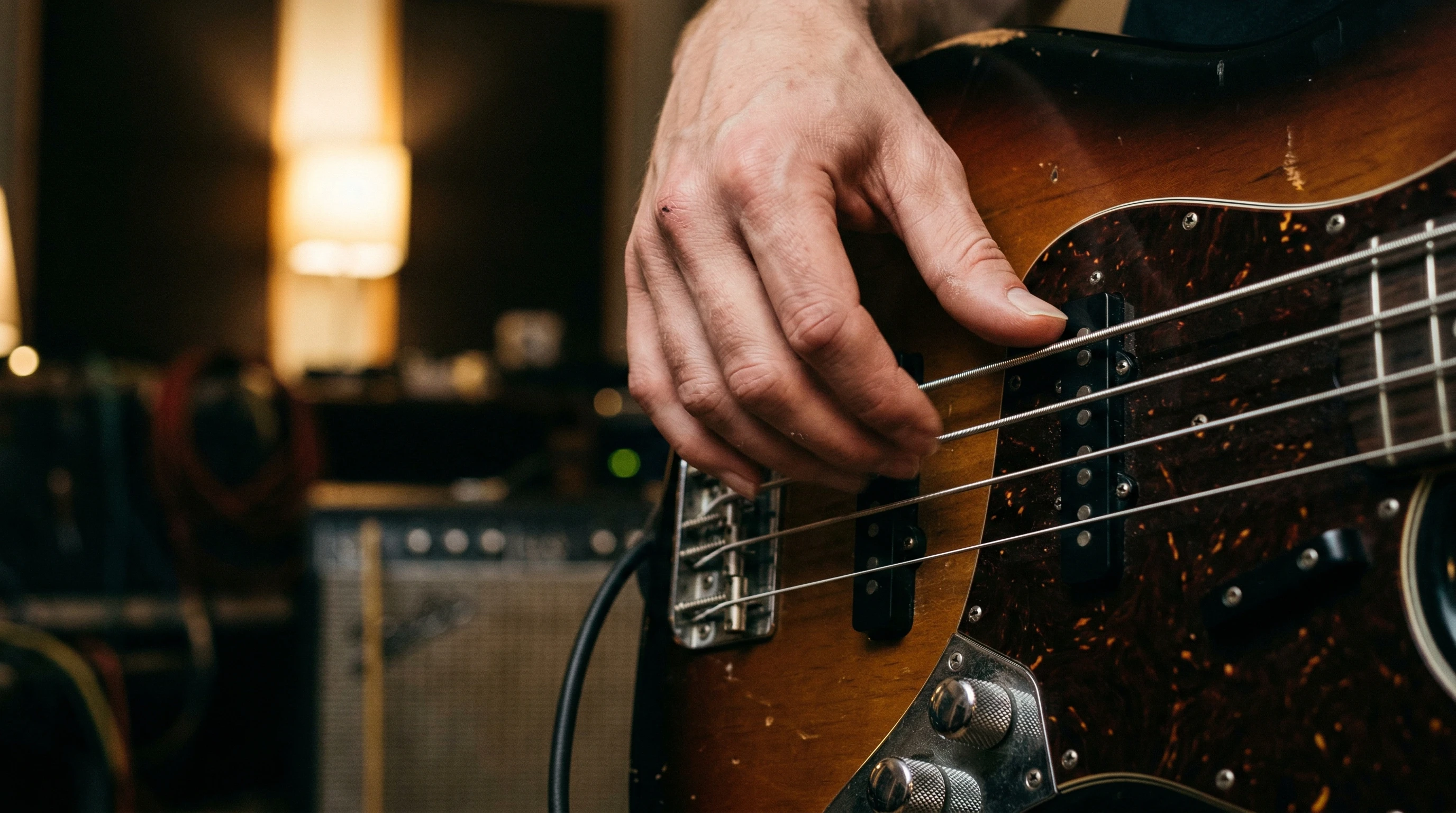
Fingerstyle bass playing asks you to use your index and middle fingers, sometimes adding in the ring and even the pinky as you get more advanced, to pluck the strings. This method creates a rich tone, gives you control over dynamics, and allows smooth transitions when you want to switch between strings quickly.
Everything really starts with how your hand sits on the bass. Rest your thumb on either the pickup, a thumb rest, or the low E string. This makes a comfortable “home base” so your hand feels secure and ready to move. Keep your fingers curved and relaxed. They should hover above the strings, not pressing down—just ready to dig in for that perfect pluck.
I remember struggling at first to keep everything relaxed. My hand would tense up and get tired way too fast. After a while, I realized that staying loose brought out a better sound, and made playing longer sessions possible without burning out. It’s worth sticking with practice so your hand naturally gets that relaxed feeling.
Core Plucking Techniques
- Alternating Fingers: Switch consistently between your index and middle fingers as you play. This gives your lines a more even feel and helps keep up with the beat.
- Downstroke Approach: Use your fingertip to pull the string downward (toward the bass body). This creates a controlled, rounded sound and is especially handy for quiet or precise passages.
- Three-Finger Technique: Once you’ve gotten the hang of two fingers, adding the ring finger lets you tackle fast riffs or intricate runs. This is really popular in metal and progressive music where speed counts.
- Thumb Technique: Some bassists rest their thumb on one string, while others use a floating thumb that moves with their hand. Both ways help with muting and keeping unwanted strings from ringing out.
Practicing these techniques early on helps develop a solid foundation for more complex lines and smoother rhythm work. I like to challenge myself with simple exercises—playing scales or walking bass lines—and focus on a clean, balanced sound using fingerstyle.
Building Stamina, Speed, and Accuracy
It can be pretty tempting to get into playing fast right away. The trick, though, is to build up stamina and accuracy first. Fingerstyle can get tiring without proper practice, so it’s important to develop hand strength and endurance over time.
- Stamina: Try playing continuous, slow streams of notes on one string, using your index and middle fingers alternately. Focus on keeping each note even in volume and tone. As your hand gets stronger, increase your playing time.
- Speed: Speed comes with repetition and patience. Use a metronome, starting slow and gradually bumping up the tempo as you get comfortable. This builds muscle memory and tight coordination between fingers.
- Accuracy: Practicing string-crossing exercises—moving from one string to another cleanly—tightens up your note placement. Octave jumps are also great for developing precision.
For me, making practice feel like a daily routine made all the difference. Ten minutes of slow practice every day often beats hours of rushed playing on the weekend. Over time, this really steps up your skill and confidence.
Practical Tips for Beginners
- Start Slow: Don’t worry about speed at first. Dial in your hand position, your plucking angle, and a smooth feel before ever speeding up.
- Stick with Two Fingers: Master the two-finger approach before adding more fingers. It keeps things simple and helps you build control and a solid groove.
- Stay Relaxed: Watch for tension. Shaking your hand out and stretching before practice keeps your muscles loose and reduces the risk of fatigue or strain.
- Use Fingertips: Plucking with the pulpy part of your finger (not the nail) brings out a warmer, rounder sound, which is what most players are going for with fingerstyle.
- Practice Often: Short, regular practice sessions go a long way. Throw in practice tracks or even drum beats to work on your rhythm and timing. This is a fun way to lock into the groove.
When I was starting out, I found practicing with simple backing tracks kept practice engaging and enjoyable. It also gave me a better sense of time and musical feel. Try recording yourself so you can spot your improvement week by week.
Common Challenges and Simple Solutions
- Tired Hand: If your hand gets sore quickly, check your technique. A tense wrist or cramped fingers can cause fatigue. Try adjusting your hand position or taking frequent breaks.
- Uneven Sound: If your notes don’t sound consistent, focus on plucking with the same part of each finger and use a metronome to steady your rhythm.
- Buzzing or Extra Noise: This is often from not muting unused strings. Using your thumb or the side of your hand as a mute can tidy up your sound.
- Difficulty Playing Fast: Slow down your practice. Work on finger alternation and only speed up when you feel totally comfortable.
Plenty of these challenges hit most fingerstyle players at some point, and the fix is almost always tied to slowing down and being mindful about technique. Recording yourself can be super helpful to hear any unwanted noise or unevenness in your playing. Checking in with a more experienced player or teacher can also provide useful feedback and encouragement.
Advanced Tips and Cool Fingerstyle Tricks
Once you’re comfy with the basics, there are some advanced techniques to experiment with that will help take your playing up a notch:
- Ghost Notes: Lightly rest your finger on a string and pluck it, creating a muted “thump.” Ghost notes add groove and texture, and show up in funk, R&B, or slapstyle passages.
- Double Pluck: Try plucking two strings at once with both the index and middle fingers. This comes handy for double stops in blues or jazz.
- Raking: When moving from a higher string to a lower string, use a sweeping motion like a rake with your finger. This speeds up certain passages and sounds clean when played smoothly.
- Chordal Plucking: With fingerstyle, you can pluck multiple strings together to play simple chords. This isn’t super common, but it’s great for adding harmony if you play solo or in a small group.
Exploring these little add-ons can make your playing a lot more interesting and set your sound apart. Don’t be afraid to try giving your own twist to these tricks—sometimes a small adjustment unlocks a whole new groove.
RealWorld Fingerstyle in Action
Loads of famous bass players build their signature sound with fingerstyle. Here are a couple you might want to check out:
- Joe Dart (Vulfpeck): He’s become famous for his punchy fingerstyle funk, especially on tracks like “Dean Town.” His playing is super rhythmic and always locked in with the groove.
- John Entwistle (The Who): John brought fingerstyle into rock, playing rapid, melodic lines with clarity and power. It’s wild to hear how much energy he could deliver while staying articulate.
- James Jamerson (Motown): Known for using mostly one finger (the “hook”), but his lines are textbook examples of smooth, expressive fingerstyle in soul and R&B.
Listening to basslines from these pros is both inspiring and really helpful for study. Try playing along; you’ll pick up a lot about tone, timing, and energy. Paying close attention to their recordings can also spark new ideas for your own playing and help you stumble upon techniques that suit your style.
Frequently Asked Questions
Question: How long does it take to get comfortable with fingerstyle?
Answer: Most beginners start feeling natural within a few weeks of daily practice. Focus on the basics of hand position and smooth alternation, and you’ll build confidence quickly.
Question: Should I use my ring finger for fingerstyle?
Answer: Most players stick with the index and middle, but adding the ring finger is helpful for fast playing or trickier lines. Start with the basics and add more fingers as you go.
Question: Why does my hand hurt after practicing?
Answer: Tension or awkward positioning is usually to blame. Make adjustments, stretch often, and take breaks to avoid strain. If pain persists, consider checking in with a teacher for feedback.
Getting the Most Out of Fingerstyle
Getting into fingerstyle bass brings loads of control and personality into your playing. Whether you want to lay down a laidback groove or tackle fast, complex riffs, this technique helps the bass really come alive. Consistent, mindful practice sets the stage for progress, so stick with it. Trying out different finger combinations, tempos, and rhythms keeps things fresh and pushes your skills further. Every note starts to feel more like your own as your confidence grows, and before long, you’ll stumble upon new directions to explore and make your playing stand out. Keep enjoying the adventure and keep those fingers moving.
when i started I played with my thumb. Then one day someone showed me how to play fingerstyle and I peered that with scales when practicing and I was away from there.