
If you play bass, you’ve probably heard a lot of talk about flatwound versus roundwound strings. These two types feel super different under your fingers, and they bring their own unique sound. Whether you’re into old-school Motown vibes or modern rock punch, the kind of strings you use shapes your tone in a big way. I’ll walk you through what sets these string types apart so you can choose what fits your style best.
Construction and Feel
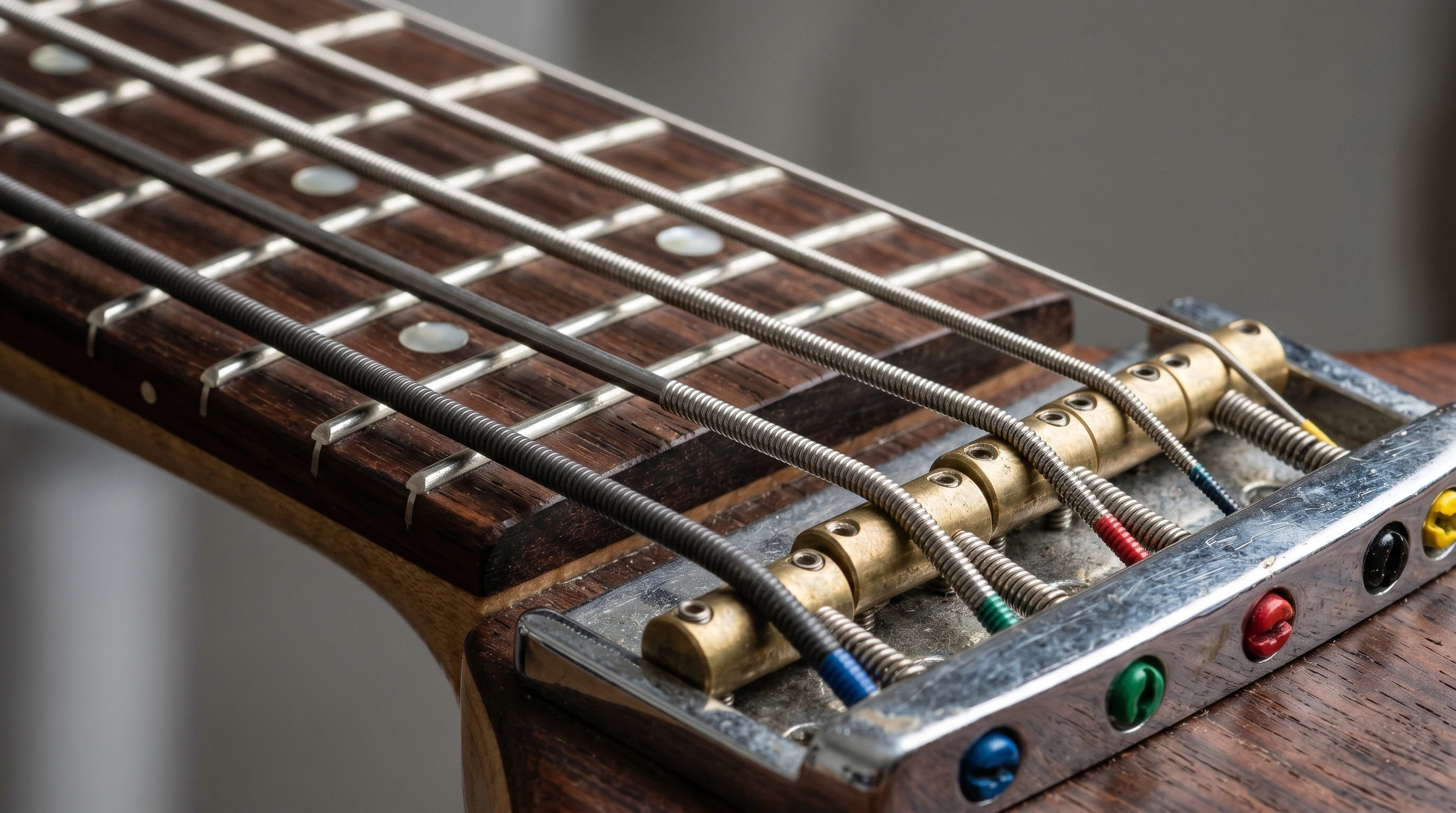
Bass strings have a core (usually steel), and the main difference comes from the wire that’s wrapped around it. Roundwound strings get a rounded wire, so you can actually feel the ridges and texture. Flatwound strings use a flat, ribbonlike winding, which makes them super smooth to the touch. The moment I switched between both, the slickness of a flatwound set really jumped out at me, while roundwounds had more grip and a gritty feeling.
Players who like running their hands up and down the neck or doing slides often find flatwound strings less abrasive. They slide fast, with hardly any finger noise. On the other hand, roundwounds give you a bit more resistance, so if you play a lot of aggressive fingerstyle or want to feel every note, they’re worth checking out. Plus, if you like moving fast during your solos or grooving with subtle slides, flatwounds will help you move around with ease, making your sessions smoother.
Sound Characteristics
The way these strings are made has a big impact on your sound. Flatwounds are known for their warm, mellow tone. There’s a lot of low-end thump, not much high-end sparkle, and the attack is pretty controlled. If you listen to classic soul, jazz, or even reggae, that thick, vintage bass is usually flatwounds at work. Higher notes roll off fast, and the whole vibe is buttery and smooth.
Roundwounds dial up the brightness and bring more zing. There’s extra sustain, more upper-mid detail, and the treble stands out. Rock, punk, and pop music often lean on this lively character. These strings make it easier to cut through busy mixes, and when I want my bass lines to stand out, I tend to reach for roundwounds. For those who want their instrument to make a statement, the clarity and sparkle of roundwounds can really give your bass a nextlevel cool factor.
- Flatwound: Warm, deep, mellow; minimized fret noise.
- Roundwound: Bright, snappy, detailed; noticeable fret and finger sound.
Practical Considerations
Bassists often ask which string type lasts longer and which is easier on the hands. Flatwound strings are usually gentler on your fingers and frets. Their smooth wrap means less friction, so you won’t get as much finger noise, and your bass’s frets get a softer ride. The tradeoff is that flatwounds can cost a bit more, and the heavier tension sometimes throws off tuning stability until they settle in.
Roundwounds are a little rougher, and if you play a lot, you’ll notice calluses build up faster. The extra abrasion wears frets out quicker, and you’ll hear more squeaks as your fingers move. But these strings are often less expensive, and they’re easy to find almost everywhere. Plus, roundwounds give you a dynamic playing experience, especially if you want to get into slap or pop techniques.
String Longevity
Flatwounds are known for sticking around. They hold their tone and feel for a long time, sometimes even years if you keep them clean. Some players rarely change flats; they actually prefer how they sound as they age and get even smoother. Roundwounds are more sensitive to sweat and grime, so their tone changes faster, usually getting duller as they collect dirt. I’ve swapped roundwounds after a few months when they lost their snap, but I’ve kept flats on a bass for over a year without feeling the urge to change.
It’s also worth mentioning that for bassists who travel or gig often, flatwounds save you money and trips to the store for new sets. Their ability to keep a consistent tone over time makes them a favorite for working musicians who don’t want to fuss with constant string changes.
Genre and Musical Context
The style of music you play could tip your decision. Flatwounds are super popular with genres that favor deep, foundational grooves. If you play jazz, soul, blues, reggae, or oldschool rock, you’ll love the thick, punchy low end and laidback top end. The lack of finger noise is a big plus for studio work, too. I’ve reached for flats for clean, controlled bass takes in a recording session because they’re easy to play quietly and don’t need as much editing.
Roundwounds shine in styles needing more definition and cut. If you’re into pop, punk, metal, indie, or funk, you’ll probably prefer their attack and shimmering highs. If you slap or pop your strings, roundwounds practically sound tailormade. Their aggressiveness comes in handy in louder band settings or when you want the bass line front and center. In smaller groups, roundwounds can really give your playing a boost to help your lines clearly stand behind the groove without being lost in the mix.
Historical Background

In the early days of the electric bass, flatwound strings were the only option. Every classic Motown song, a lot of Beatles hits, and stacks of jazz records were recorded using flatwounds back in the ’50s, ’60s, and ’70s. Their mellow tone became the signature bass sound for decades.
When roundwounds hit the scene in the ’70s and ’80s, they kicked off a new sound. Bands looking for more attack and brighter tones (think rock, punk, and new wave) jumped on board. Today, both types are widely used, and it’s common for bassists to swap between them based on what kind of sound is needed.
This legacy means that if you’re trying to hit a certain classic sound, looking into what type of strings your influences used can give you insight into how to get that special vibe on your own instrument.
Advantages of Flatwound Strings
- Smooth feel and less finger noise
- Warm, full bottom end that’s super reliable in the mix
- Gentle on frets and fingers, even on long gigs
- Longer lifespan and consistent tone over time
- Great for fretless basses (less fretboard wear)
One thing to keep in mind if you use effects like distortion: flatwounds may not give as much clarity as roundwounds. But if you want your bass to hug the low end of a track, they’re tough to beat. If you prefer a supporting role in the mix and value a strong, solid foundation under the band, flatwounds are hard to outdo.
Choosing What’s Best for You
- Flatwound: Choose these if you love classic, smooth, or vintage bass tones; play a lot of jazz, soul, or reggae; do studio recording; or if you use a fretless bass.
- Roundwound: Go for these if you want a bright, punchy sound; like playing rock, funk, punk, or pop; or need more expression for slapping and popping.
Lots of players (myself included) mix things up. I’ve kept flatwounds on one bass for mellow sessions and roundwounds on another for my funk or pop gigs. Some manufacturers even make “halfround” or pressurewound strings for players who want to split the difference. Trying different types helps you track down what feels and sounds best for your music—or even for a particular song or set.
Frequently Asked Questions
Which bass strings last longer?
Flatwounds generally last longer than roundwounds. Their construction picks up less sweat and dirt, and their mellow tone stays consistent even after months of use.
Are flatwound strings good for jazz?
Flatwound strings are really popular for jazz. They give off the classic uprightstyle thump and warmth that makes them a top choice for jazz bassists aiming for a smooth, oldschool tone.
What are some other advantages of flatwound strings?
Besides their smooth feel and long lifespan, flatwound strings help protect your fingerboard (especially on fretless basses), cut down on finger noise, and give a laidback sound that sits great in many mixes.
What about changing string types?
If you switch from roundwounds to flatwounds or the other way around, you’ll probably notice a difference in tension. You might even need to tweak your bass’s setup, like adjusting truss rod, intonation, and action, so the strings feel comfortable and play in tune.
Takeaways for Bass Players
Picking between flatwound and roundwound bass strings isn’t a one-size-fits-all choice. Each type offers different feels, sounds, and lifespans, so experimenting is definitely worth your time. Think about your favorite bass tones, your main playing styles, and what you want from your instrument. Having the right strings dressed out on your bass is a super important part of dialing in your sound and making every session a good one. I use flatwound nylon and you can still get a decent twang out of them how ever when I play my mates roundwound I kind of miss em. check out the difference trying something new can inspirer you keep grooving.