
Bass players today have access to all sorts of clever practice tools that can seriously speed up your progress, whether you’re just picking up the bass or looking to tighten your groove. Building up good timing, solid technique, and confidence across the fretboard is a lot less stressful when you know what’s available out there. Here, I’m sharing the practice tools I think every bass player should consider adding to their routine.
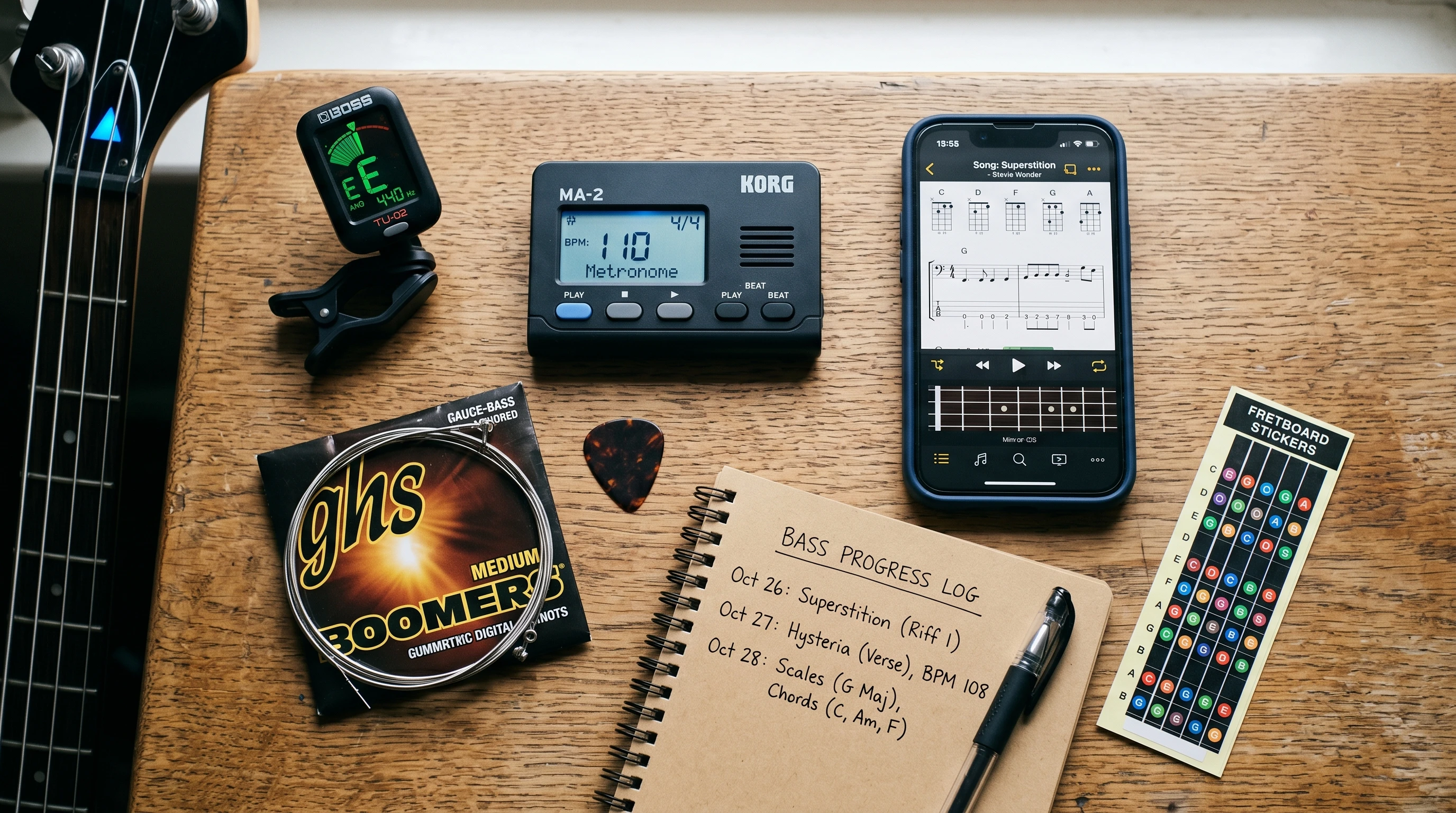
Popular Online Tools for Bass Practice
The internet is packed with webbased tools that help unlock your potential on bass, even if you’re just armed with a laptop or phone. Some are built specifically for bass players, while others are helpful for musicians in general.
- Advancing Bass Tools: This online platform has a chromatic tuner and an adjustable metronome that gives both sound and visual cues. There’s also a section to create drum patterns, which can make practice a lot more interesting than ticking metronome clicks. Interactive fretboard maps let you explore scales, chords, and arpeggios in a visual way, plus you can play games focused on fretboard memorization to boost your note recognition speed.
- Scott’s Bass Lessons Groove Trainer: If you practice at all hours or want to take your bass anywhere, this trainer is awesome. It packs in a free metronome, tuner, drum machine, speed training, customizable rhythm exercises, and different beat divisions. You can use it on most mobile browsers, which is pretty handy when you want to squeeze in a practice break without booting up a computer.
- Bass Note Master: Interactive is the name of the game here: quizzes, lessons, and instant feedback help you get comfortable with notes, scales, and positions. You can loop tricky sections, slow things down, and laserfocus on those parts of a song that always trip you up.
Mobile Apps to Level Up Your Bass Practice
Your phone can double as a practice assistant with the right apps. I’ve checked out quite a few bass guitar apps, and these are standout choices for convenience and features.
- Soundbrenner Metronome: Reliable timing is key for bassists. This app lets you design custom rhythms, adjust time signatures, and add different beat accents. You can also save your setlists, so switching between groove styles or songs is seamless.
- Yousician: Kind of like a pocketsized teacher. It listens while you play through exercises and songs, then gives you tips on accuracy and tuning in real time. As you keep practicing, it pushes you forward with more advanced lessons.
- Fret Trainer: This one helps lock in fretboard shapes and positions using interactive drills and a broad library of bass lines. The more you play the little games inside, the more your muscle memory improves, so your fingers just know where to go.
- JamTracks: Playing to backing tracks is a massive help for developing a sense of “real world” groove. JamTracks delivers over 600 backing tracks, complete with drum and bass loops you can mix and match to keep things fresh.
- Tonebridge: For those who love playing along with real songs, Tonebridge gives you the sound of classic bass tones in seconds. Choose a song, and the app dials in the amp and effects to match, so you can hear yourself in context and get more used to stylistic changes.
- JamUp: This is pretty versatile, offering tools for slowing down, looping, and adding effects. It’s great if you’re getting into genres or crafting your own sound while you work on basics. You can also record your playing and compare different sections, finding areas for improvement more easily.
Physical and Visual Aids for Bass Players
Digital tools are great, but sometimes you want something you can stick, slap, or hold right on your bass. Here are a couple of handson aids that keep practice interesting and help concepts click faster.
- Fretboard Decals and Stickers: These peel and stick aids lay out notes or patterns on your fretboard. You can use them for learning scales and chords, or just as friendly reminders while you practice songs. After a while, your visual memory and muscle memory start working together.
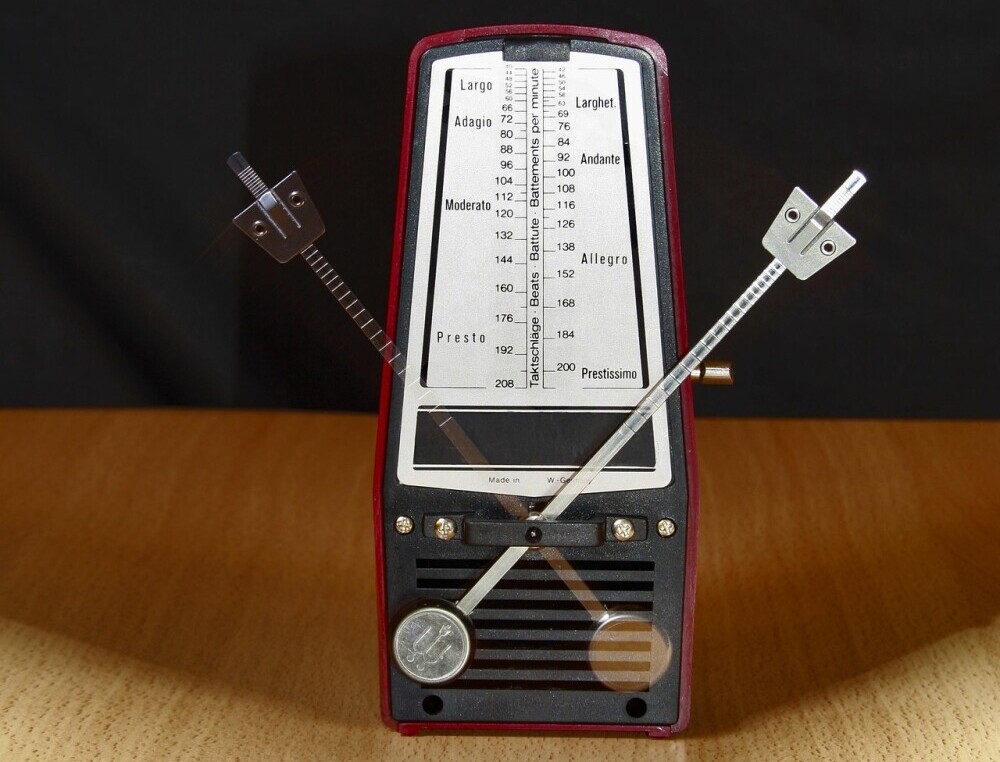
- Analog Metronomes and Tuners: Having a physical metronome or tuner on your desk or in your gig bag is oldschool, but it means you always have timing and tuning on point if your phone is dead or unavailable.
Tips for Making Bass Practice More Effective
Technology aside, the tools you choose only help if you combine them with effective habits. Here are some proven approaches that make practice time a lot more productive.
- Keep a Practice Log: Make quick notes on what you worked on, which exercises gave you trouble, or what felt easier this week. Over time, you’ll see patterns and track your growth. Some journaling apps can make this easier to maintain on the go.
- Start Slow, Use a Metronome: Playing slow with solid timing helps your brain and hands stay in sync. Gradually bump up the tempo without sacrificing accuracy. If you use a drum machine, start simple before adding complex rhythms.
- Break Down Songs Into Sections: Loop the hardest few bars until they feel comfortable, then stitch them back into the full groove. Many apps and DAWs let you do this until muscle memory takes over. You can also record yourself and listen back to spot tricky spots.
- Use Backing Tracks: Jamming with loops or full arrangements strengthens your timing and helps you “think like a band,” not just as a solo player. Try mixing genres to broaden your musical vocabulary and keep practice engaging.
- Mix Up Practice Activities: Switching from scales and arpeggios to playing with backing tracks or improvising keeps your brain engaged and helps you avoid getting bored or stuck. Occasionally switch your practice setting between sitting and standing, or play on a different bass for variety.
- Play Games With Yourself: See how fast you can find and play random notes on the fretboard. Race against the timer, or challenge yourself to play scales starting on different roots every day. Set personal records and reward yourself when you beat them.
Things to Keep in Mind When Choosing Practice Tools
When jumping into the world of bass practice tools, it’s smart to think about a few practical points so you don’t get overwhelmed with options:
- User Interface: Go for tools that are easy to find your way through. You want to spend time playing, not poking around for 20 minutes trying to set up a metronome or drum machine.
- Portability: If you have a busy schedule or practice in different locations, look for mobile or webbased solutions that work on the go and don’t demand heavy setup. Compact accessories also help you stay prepared.
- Customizability: Tools that let you tailor exercises and progressions to your needs are worth checking out. Everyone’s learning style is different, and you’ll see faster results with tools you can shape to your goals. Some apps even allow sharing progress with friends for a social boost.
Battery Life and Access
Apps and online tools chew up battery, so plugging in or keeping a charger handy is really important during long practice sessions. Also, some features need WiFi, so offline capabilities can be a lifesaver. Having backup options, like an analog metronome or tuner, means you’re never stuck if tech fails.
Distraction Factor
Phones and computers are pretty distracting. To get the most out of your tech, consider using “do not disturb” mode or dedicated practice devices that don’t have social media or games popping up while you play. Try setting focused practice sessions with alarms to help you stick to your goals.
Advanced Practice Tips for Bass Players
Once you’re past the basics, these habits can help keep your skill set growing while pushing you creatively.
Practice With a Drum Machine: Locking in with precise, realistic drum grooves does more for your timing than a plain metronome. Try practicing scales and riffs over drum patterns in different genres and time signatures to make your sound more adaptable.
Record Yourself: Multitrack apps or simple audio recorders let you hear your playing back. Noticing where your timing or tone drifts is way easier when you’re not playing in the moment. Listen for little details you might miss while playing and track your progress each week.
Transcribe and Play Along: Pick out bass lines by ear using slow down tools, and jot them down in a notebook or music app. This sharpens your ears and lets you pick up tricks used in your favorite tracks. Over time, you’ll build a personal library of licks to draw from in any jam session.
Expand Your Ear Training: Challenge yourself to identify intervals or chord changes by ear using training apps. The stronger your ear, the easier it becomes to lock in with a band and improvise confidently.
Gear Basics: What I Recommend for New Bassists
A few essentials will give any beginner a really solid start:
- ClipOn Tuner: Keeps your bass sounding good with zero fuss, whether it’s for solo practice or group jams.
- Reliable Metronome (digital or analog): Builds steady timing and is useful for structured practice routines.
- Backing Track App/Device: Encourages realworld playing habits and creativity by helping you jam in a bandlike setting.
- Fretboard Note Chart or Stickers: Moves your note knowledge forward, turning the fretboard into familiar territory.
Personally, I use a mix of physical and digital tools, switching between them depending on where and how long I’m practicing. If I’m traveling, my phone becomes my practice hub. At home, I like to spread out with stickers on the fretboard and a big analog metronome ticking away. Using both approaches keeps practice from feeling repetitive and lets you adapt when circumstances change.
Common Questions About Bass Practice Tools
Here are some questions I hear a lot from other bassists. Maybe you’ve wondered about these too:
Question: What’s the best way to boost my timing?
Answer: Play with a metronome every day, but also groove along to songs and drum machines so you get used to different rhythms and feels. Try clapping out rhythms before playing them on the bass to lock them into muscle memory.
Question: Can I become a better bassist using only free tools?
Answer: Absolutely. Tons of great apps and online tools don’t cost anything. You can get creative with YouTube backing tracks, free tuners, and web metronomes. In the end, consistency matters more than price tag. Mix in listening exercises and playing along with recordings for extra benefit.
Question: How often should I update or switch my practice tools?
Answer: If your practice routine is feeling stale or your progress plateaus, hunt for new tools or exercises. Even small changes can recharge your excitement and learning. Consider revisiting old favorites with new approaches just to keep things fresh.
Mixing these tools and tips into your practice gives you a clear path for improving your timing, fretboard knowledge, and overall musicality, all while keeping things fun and fresh. Start exploring your options, and get ready for steady progress with every groove you play. Remember—steady practice and open minded learning make a world of difference for bass players at any level.