Bass guitar is pretty much the backbone of most bands, but picking out your first bass doesn’t need to drain your wallet. There are some affordable models out there that play well, sound great, and help you build up some solid skills. I’ve checked out a bunch of starter basses and I’ll walk you through the key options and tips for beginners wanting to kick off their bass adventure without spending a fortune.
Why a Good Starter Bass Guitar Matters
Learning on a bass that’s easy to play and sounds decent really speeds up your progress. Cheaply made instruments can be uncomfortable, hard to tune, or just plain uninspiring. Luckily, there are plenty of options made for people new to bass, with smooth necks and lightweight builds. These budget bass guitars aren’t going to win any collector’s prizes, but they won’t hold you back from learning the basics and finding your groove.
If you’re brand new, the idea of bass guitars might seem a bit overwhelming, especially seeing all the flashy, expensive gear out there. But trust me, you can totally find reliable, goodlooking bass guitars under $400 from brands like Squier, Yamaha, and Ibanez.
Top Affordable Bass Guitars for Beginners
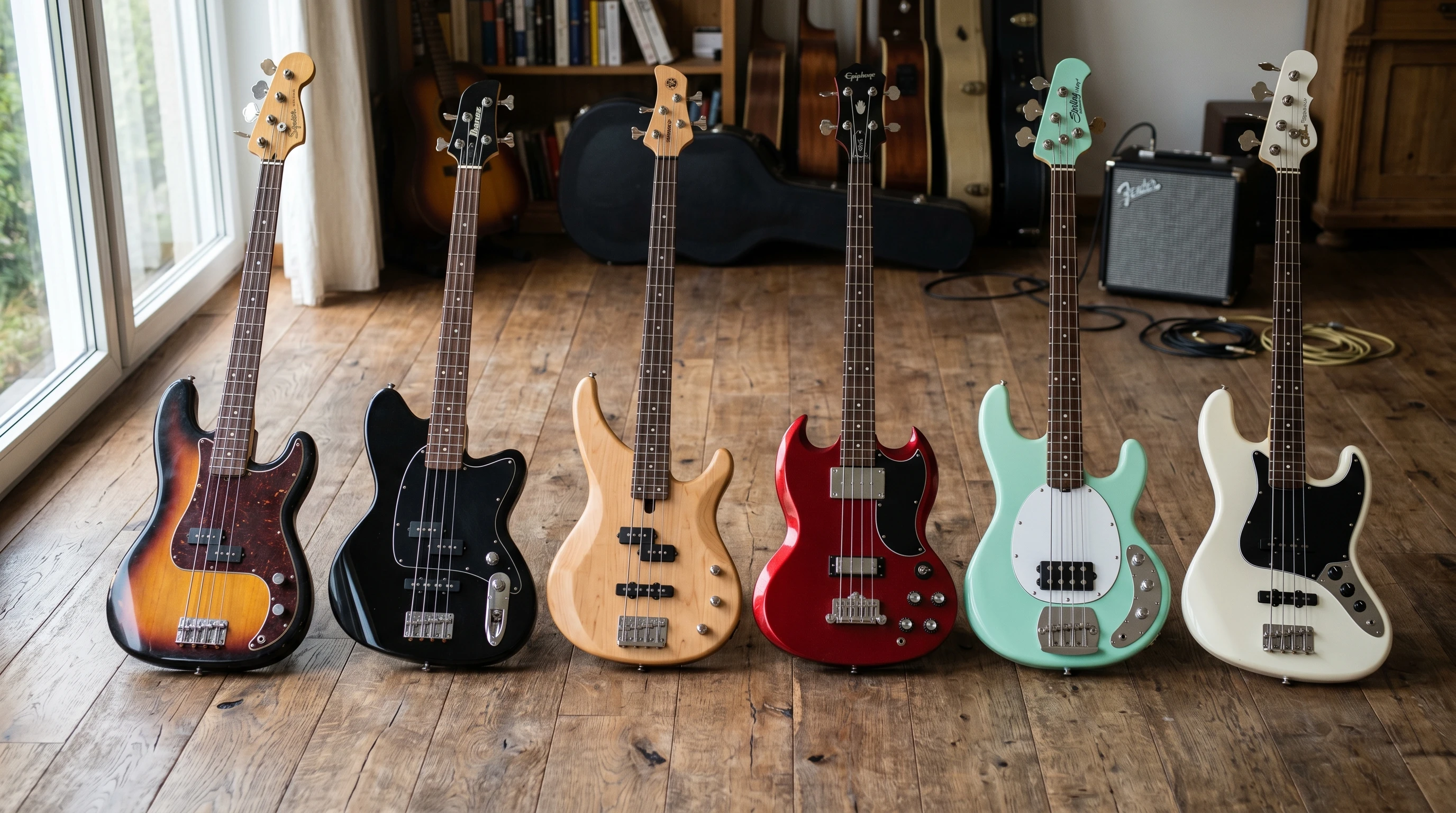
There are a handful of tried and true models that almost always get recommended to people just getting started. Here are my favorite picks, including what makes each one worth checking out:
- Squier Classic Vibe 60s Precision Bass – This is a nod to that classic Fender look and sound, but it’s way more walletfriendly. It comes with a smooth, C shaped neck and vintagestyle splitcoil pickups that give you that rich, thumpy tone you’ve heard in countless rock and funk tracks. Most stores list the Classic Vibe Precision Bass at about $400, but you can often spot it on sale for less. It feels comfortable from day one, which goes a long way when you’re just starting.
- Yamaha TRBX174 – Yamaha is known for making reliable instruments, and the TRBX174 is no different. It has a lightweight, nicely balanced body (you won’t feel like you’re lifting weights at practice) and an easyplaying neck. Its electronics are simple but versatile, letting you dial in tones for lots of styles. For under $300, this bass offers a lot for the price, including Yamaha’s solid build quality.
- Ibanez GSR200 – Ibanez has built up a big fan base thanks to its slim necks and punchy sound. The GSR200 is especially nice for beginners who might find chunky bass necks hard to handle. It also features two pickups and active EQ controls, so you can tweak your sound right away. It’s widely available for around $200, which is a pretty sweet deal if you want a bass that doesn’t feel or sound cheap.
- Ibanez Talman TMB30 – This one stands out for being a shortscale bass, meaning the neck and overall size are smaller than normal. If you’ve got smaller hands, or just want a more compact instrument, the TMB30 could be just the ticket. It’s got retro looks and easy to use electronics, and usually runs about $200 new. I’ve recommended this a lot to younger players or adults who don’t want a fullsized bass.
- Yamaha TRBX204 – If you like the style and feel of the TRBX174 but want just a bit more soundshaping options, the TRBX204 is worth considering. It has active electronics, offering you extra control over your tone, which means you can dabble in more music styles without needing lots of extra gear. Expect to find this one around the $300 mark new.
How to Choose the Best Beginner Bass on a Budget
Shopping for a bass can feel like a maze, especially with so many makes and models out there. Here’s how I narrow down the search for folks new to the instrument:
- Playability: Go for something with a slim, comfortable neck. This will make it easier for your hands to move up and down the fretboard, especially if you haven’t built hand strength yet. Many find that a thinner neck profile encourages more frequent practice, so pay attention to this feature during your first tryout.
- Weight: Lighter basses are a safer bet for beginners. Heavy instruments can be tough on your shoulders and back after a while, especially if you spend practice time standing. Picking a lighter bass makes long sessions much easier.
- Build Quality: Even at a lower price, you want a bass that feels solid, stays in tune, and has smooth fret edges. Hold the instrument and look for any obvious issues before buying. Check the neck for straightness by looking along its edge and feeling for any sharp fret edges, as those can be uncomfortable for beginners learning finger placement.
- Pickups and Electronics: Most affordable basses have either one or two pickups. Dualpickup models offer more tonal options. Active electronics can be fun for experimenting with different sounds, but they’re not strictly necessary when you’re starting out. Simpler setups are easier to use as you’re learning, but extra electronics can be a bonus if you want to set free your creative side later on.
- Looks: This isn’t superficial! If you love how your bass looks, you’ll feel more excited to pick it up and play. Pick a finish or color that makes you want to keep practicing. Sometimes, that cool finish or unique color can be the reason you stick with practice on tough days.
Getting Started: What You Actually Need Besides the Bass
Buying the bass itself is just the start. To get playing right away, you’re going to want a few extras that make your experience smoother and a bit more fun. Some extras might seem optional, but they really help in building good habits as you learn.
- Amp: Grab a small practice amp made for bass if you want to hear yourself properly. Amps that work for both guitar and bass usually don’t sound that great with bass signals. Some portable bass amps come with handy practice features, like headphone outputs and aux inputs for playing along with tracks.
- Cable: Even reliable brands like Fender and Planet Waves sell decent and affordable instrument cables. A good, noise free cable prevents frustration, especially when you just want to plug in and play.
- Strap: Get a sturdy, comfortable strap so you can try playing standing up. It adds a whole new vibe to learning. Playing while standing also helps you get comfortable with live performance situations, even if it’s just in your bedroom for now.
- Tuner: Clipon tuners are cheap, portable, and really handy. A properly tuned bass always sounds better and makes playing along with tracks or lessons far less confusing. Some tuning apps for smartphones are also helpful as a backup.
- Picks: Even if you want to learn with your fingers, some styles and songs are easier to start off with a pick. Try out both picking and finger style to see what feels natural—each one gives you a slightly different sound and attack.
- Bag or Case: Soft gig bags are pretty affordable and keep your bass safe from scratches and bumps. If you travel or take your bass anywhere outside your home, a bag is a must for keeping your instrument in good condition.
Obstacles Beginners Face and How to Beat Them
Every new player runs into obstacles. Here’s what you might find a bit tough in the first few months, plus a few ways I’ve seen beginners work through them:
- Finger Pain: Pressing thick strings can be a bit rough on your fingers at first. Don’t worry, your hands toughen up within a couple weeks. Just make sure your action, the space between the strings and the fretboard, isn’t set super high. If you’re unsure, ask a shop tech to set up your bass for easier playability.
- Staying in Tune: Super cheap instruments sometimes slip out of tune, but all the models I mentioned earlier have passable tuners that won’t let you down with basic care.
- Inspiration: Having a decent sounding instrument helps keep you motivated. If you’re getting bored, try learning a familiar riff or playing along with your favorite songs. Listening to famous basslines can also inspire you to keep at it, reminding you how cool the bass can sound in a band.
- Improvement: Schedule short, regular practice blocks. Ten minutes a day is less frustrating and more productive than forcing yourself through an hour of tired fingers once a week. Consistent, focused practice goes a long way toward building muscle memory and confidence.
BeginnerFriendly Bass Guitar FAQs
Curious about a few common beginner worries? I get these questions all the time:
Is it easier to learn bass or guitar?
In my experience, the basics of bass tend to be more forgiving (fewer strings, less fiddly chords), but both have their own learning curves. You might pick up a simple bass line in just a couple days. For those who enjoy rhythm and groove, bass is a natural fit.
Should a beginner start with a 4string or 5string bass?
For beginners, a 4string is easier. Most beginner songs, lessons, and bands use 4string basses. Start with four, and move up once you get comfortable if extended range is something you want to try.
Can you use a guitar amp with a bass?
Technically, yes, but it’ll sound muddy and could even damage the amp if you crank it. Best bet: get an amp meant for bass. There are lots of small, affordable models made for practice and they help your bass sound its best.
Do I need lessons to start playing bass?
Lessons definitely help, but plenty of beginners learn from YouTube, apps, or online tabs. Formal lessons can speed things up, but selfteaching works if you stay consistent and keep it fun. Many free resources online make it easy to get started at your own pace.
Final Thoughts
Starting on an affordable bass guitar means you can focus on what’s most important: getting comfortable with the sound and feel of a new instrument. The models I mentioned here, like the Squier Classic Vibe 60s Precision, Yamaha TRBX174 or TRBX204, Ibanez GSR200, and Talman TMB30, balance price, playability, and sound in a way that’s perfect for newbies. Stop by a local shop and try out a few, or look for trusted reviews online. The right bass will keep you excited and eager to keep improving every day. Playing a junkie bass can really kill the mood i.e bent neck action to high. you can fix em but if your like me you will end up with a whole bunch of project guitars. You don’t have to break the bank to get something decent definitely helps the learning process.