Bass guitar can be a super fun and rewarding instrument for kids to learn. Between the deep grooves and catchy rhythms, young players get hands-on with the fundamentals of music while building a lifelong skill. Picking the right video tutorials makes all the difference when it comes to confidence and progress, especially for kids who are just getting started. Here’s my guide to finding the best bass guitar tutorial videos made just for kids, and how they can help your child move from total newbie to future groove master.
Why Learn Bass Guitar as a Kid?
Bass isn’t just a smaller sibling to the guitar. This instrument sets the foundation for almost every type of music. Rock, jazz, funk, pop – you name it, bass is right there holding it down. Learning bass equips kids with rhythm, listening skills, and a natural feel for music collaboration. Since bass often comes with simpler one note riffs for beginners, it’s a nice entry point that leads to faster achievements. Plus, being the backbone of a band can give kids a real confidence boost from day one.
Many parents and teachers notice that kids who pick bass early build a super solid sense of timing and teamwork. Since bass lines focus on supporting others musically, young players tend to develop good listening skills and group awareness that carry over into other activities. Over time, this sense of musical teamwork often translates to improved focus, discipline, and even better communication with peers in and out of music class.
Top Recommended Bass Guitar Lesson Sources for Kids
The internet is packed with bass lessons, but sorting out what actually works for younger learners can be tricky. I’ve rounded up resources that are clear, engaging, and beginner friendly, while focusing on age appropriate content and pacing.
- StudyBass: Focuses on the must-know fundamentals of bass, music theory, technique, and beginner songs. It’s super visual with lots of on-screen graphics, plus free, easy to follow lessons. The pace is great for any age but especially for younger players who need concepts broken down one step at a time. StudyBass Free Lessons
- TalkingBass: Mark Smith’s YouTube series is well known for beginner friendly pacing and a warm, positive vibe. Lessons cover how to hold the bass, tuning, what frets are, and basic technique. The language and visual aids are perfect for kids and absolute newbies. TalkingBass YouTube
- BassBuzz: Their “Beginner to Badass” program is a go to for structured, motivating lessons. The curriculum focuses on deliberate practice with a mix of fun playalongs, technique drills, and simple songs. Video content is energetic and often uses humor to keep things interesting for younger viewers. BassBuzz
- Little Kids Rock – Free Bass Lessons: Geared specifically toward beginners, these free video lessons highlight the basics of mapping out the fretboard, learning the natural notes, and early jamming skills. This resource is great for building a strong foundation in small, doable steps. Little Kids Rock Resources
- JamPlay: Known for their well-produced, multiangle lesson videos, JamPlay has full sections just for beginners. They also include genre specific lessons, play along songs, and breakdowns of bass techniques. JamPlay Bass Lessons
- MusicCollege TV: This free, YouTube based series includes beginner and intermediate bass content, with a special focus on fingerstyle. Lessons are simple, clear, and move at a pace that won’t overwhelm younger students. MusicCollege TV
- Daric Bennett’s Bass Lessons: Perfect for kids wanting to explore more styles like funk and jazz, this channel covers slap technique, grooving, and a bit of music theory. The lessons mix creativity with skill building in a way that’s inspiring for young players. Daric Bennett’s Bass Lessons
- Scott’s Bass Lessons: One of the friendliest and most energetic YouTube bass channels out there. Thousands of free lessons tackle everything from rhythm and style to gear basics, always with enthusiasm that keeps kids motivated. Scott’s Bass Lessons
What Makes a Bass Tutorial Video Good for Kids?
Not every online lesson is created with a younger audience in mind. Here are some things I always look out for when recommending bass guitar tutorials for kids:
- Clear, Visual Demonstrations: Kids need to see hand positions, fingerings, and examples up close. Good lessons use a mix of camera angles and on-screen graphics, with a teacher who talks through each step.
- Encouraging Tone: A teacher’s supportive attitude goes a long way in keeping kids excited and relaxed while learning. Lessons should celebrate small wins and avoid overwhelming jargon.
- Short, Focused Segments: Kids absorb more and have more fun when lessons are packaged in smaller, focused chunks rather than long lectures.
- Fun Practice Material: Playalong tracks, simple songs, and basic improvisation help keep motivation high and practicing enjoyable.
- Age Appropriate Content: Good kid tutorials use clean language and choose songs or riffs that are both easy and appealing to young ears.
How to Help Kids Get Started with Online Bass Lessons
Starting out feels less intimidating when you break it into bite sized steps. Here’s how I’d set up a young beginner for early success:
- Pick the Right Starter Bass: A shortscale bass guitar is easier for small hands. They’re lighter and less of a stretch along the fretboard, which helps younger kids focus on learning, not wrestling with their instrument.
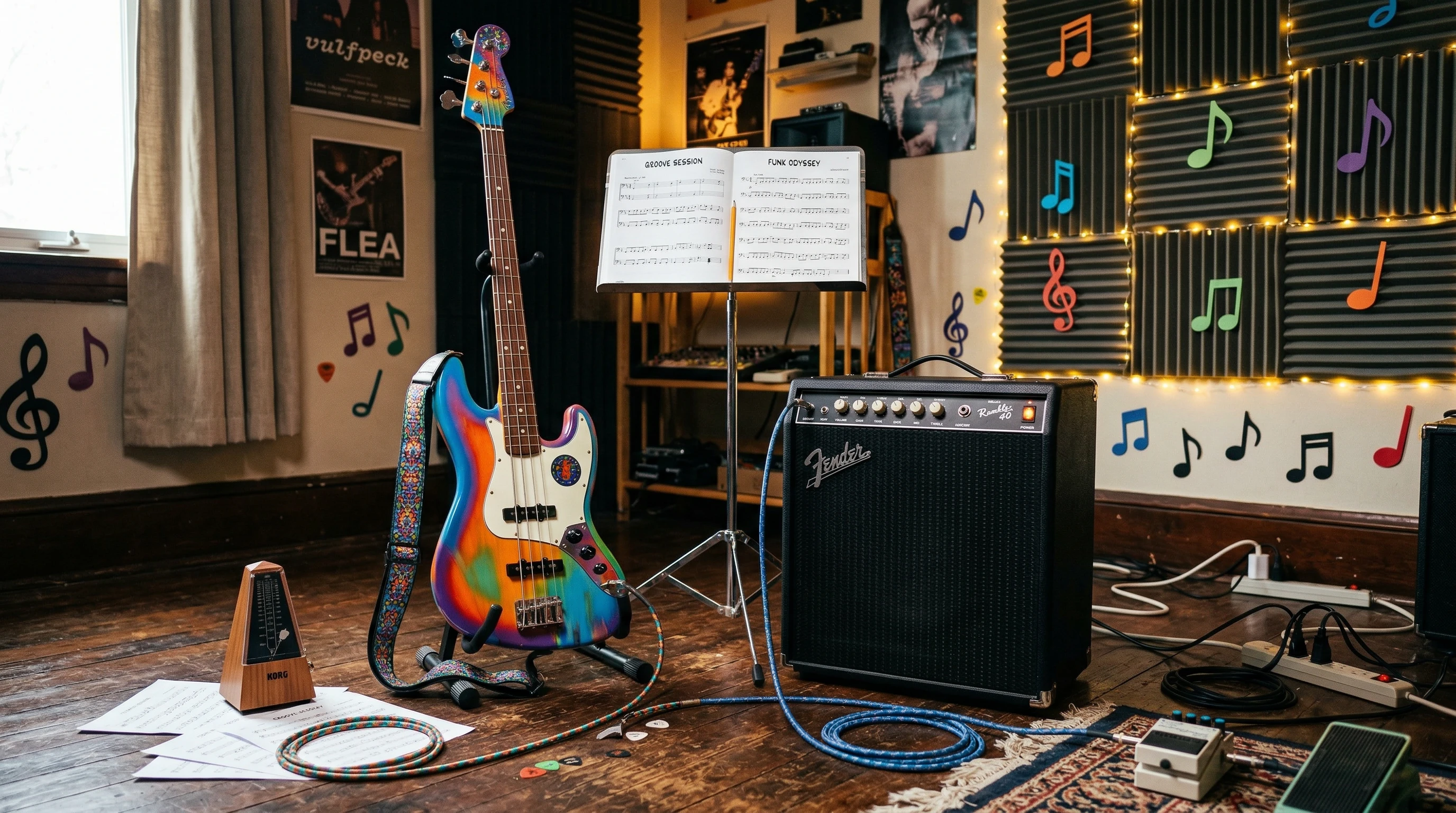
- Set Up a Comfortable Practice Space: A quiet, well lit corner with a practice amp, headphones, and a sturdy seat can make all the difference for learning focus.
- Follow a Structured Lesson Path: Try to follow one site or YouTube program at a time (like BassBuzz or TalkingBass), so skills build logically in order, without jumping around.
- Mix Solo Practice and Jamming: Encourage kids to play along with videos and jam tracks, but also noodle around with their own ideas. Both structured and creative play matter for skill building.
- Balance Lessons with Real Songs: Integrate some favorite (easy) songs early on; it’s more inspiring than scales and exercises alone.
- Keep Sessions Short and Fun: Fifteen to twenty minutes, a few times per week, can be more effective than long, sporadic practice.
Common Hurdles and Quick Solutions for Kids Learning Bass Guitar
Bass guitar isn’t always simple for beginners, especially for kids with smaller hands or short attention spans. Here are some common rough spots and ways to get over them:
- Tired Fingers? Early on, pressing down the strings can feel tough. Shortscale basses and lighter gauge strings help make notes easier to play. Building finger strength comes with time and regular (but short) practice.
- Buzzing or Muted Notes? This usually means the string isn’t being held down right, or the finger is in the wrong spot. Slow, clear video demonstrations pointing out common beginner issues can clear up most of these problems.
- Getting Lost on the Fretboard? Many sites, like Little Kids Rock and StudyBass, use fretboard diagrams and on-screen visuals to help kids memorize note locations. Focusing early lessons on just a small section of strings or frets at a time is helpful.
- Losing Motivation? Mixing in jam tracks, favorite pop or cartoon theme songs, or just noodling around with silly sounds helps make regular practice feel less like a chore. Parents can also join in by clapping along to the beat or playing a simple rhythm instrument, making music a family activity.
Key Takeaways for Parents and Young Players
- Bass guitar is a unique instrument, not simply a “guitar with different notes.” It deserves a learning approach that’s tailored to grooves, rhythm, and supportive playing.
- Combining lessons from a few different sources or teachers gives kids a broader understanding of the instrument and helps reinforce the basics.
- Mastering the location of notes on the fretboard early on makes everything else a lot easier down the road. Flashcards or basic games matching note names to fret numbers make this process more fun.
- Jamming with backing tracks, playalongs, or other beginners speeds up progress and makes learning more social and fun.
FAQs About Online Bass Guitar Lessons for Kids
Do kids need to know how to read music before starting bass guitar videos?
No need! Many high-quality bass lessons start with simple note diagrams and play by ear exercises. Reading sheet music can come later, if they’re interested.
How young is “too young” to start learning bass?
I’ve seen kids as young as five using shortscale basses, but seven or eight is more common for kids to have enough hand strength and coordination. Look for instruments and lessons that are truly beginner sized and beginner paced.
How can I make practice more consistent for my child?
Short, regular practice sessions and a fun reward system can work wonders. Practicing to upbeat songs or jamming with family members is often more motivating than drills alone. Keeping a practice chart with stickers or points also encourages routine.
Are there any safety or gear tips for younger players?
Make sure the bass strap fits well to avoid strain and that amplification volumes are kept low, especially with headphones. Fingers may get sore at first, but stretching and breaks help.
Final Thoughts: Setting Kids Up for Success on Bass Guitar
Jumping into bass guitar lessons as a kid builds inner rhythm, musical teamwork, and lifelong confidence. The right video tutorials break down the basics step by step, keeping things clear, upbeat, and achievable. Each of the lesson series I’ve highlighted here offers something unique for young learners, whether that’s the visual approach of StudyBass, the friendly breakdowns from TalkingBass, or BassBuzz’s step by step beginner adventure.
Mixing in a few different lesson sources, encouraging regular short practice, and keeping things light and playful can make all the difference. If you’re guiding a young beginner, your patience and support go just as far as any fancy gear or premium subscription. I’ve seen plenty of shy, uncertain kids grow into confident, creative bass players with just a little structure and a lot of encouragement.
It’s worth checking out these video resources – many are free to try – so your child can find the teacher or style that clicks for them. With so many new tools and guides out there, getting started has never been easier or more fun for the next generation of groovesetters!