
If you’re getting started with bass and want to add more flavor to your playing, learning some simple bass chord progressions can really help. Chords and progressions aren’t just for guitarists; bassists can use them to bring groove, structure, and depth to a song. In this guide, I’ll walk you through a handful of beginner friendly bass chord progressions, practical tips on practicing them, and some extra advice to keep your playing moving forward.
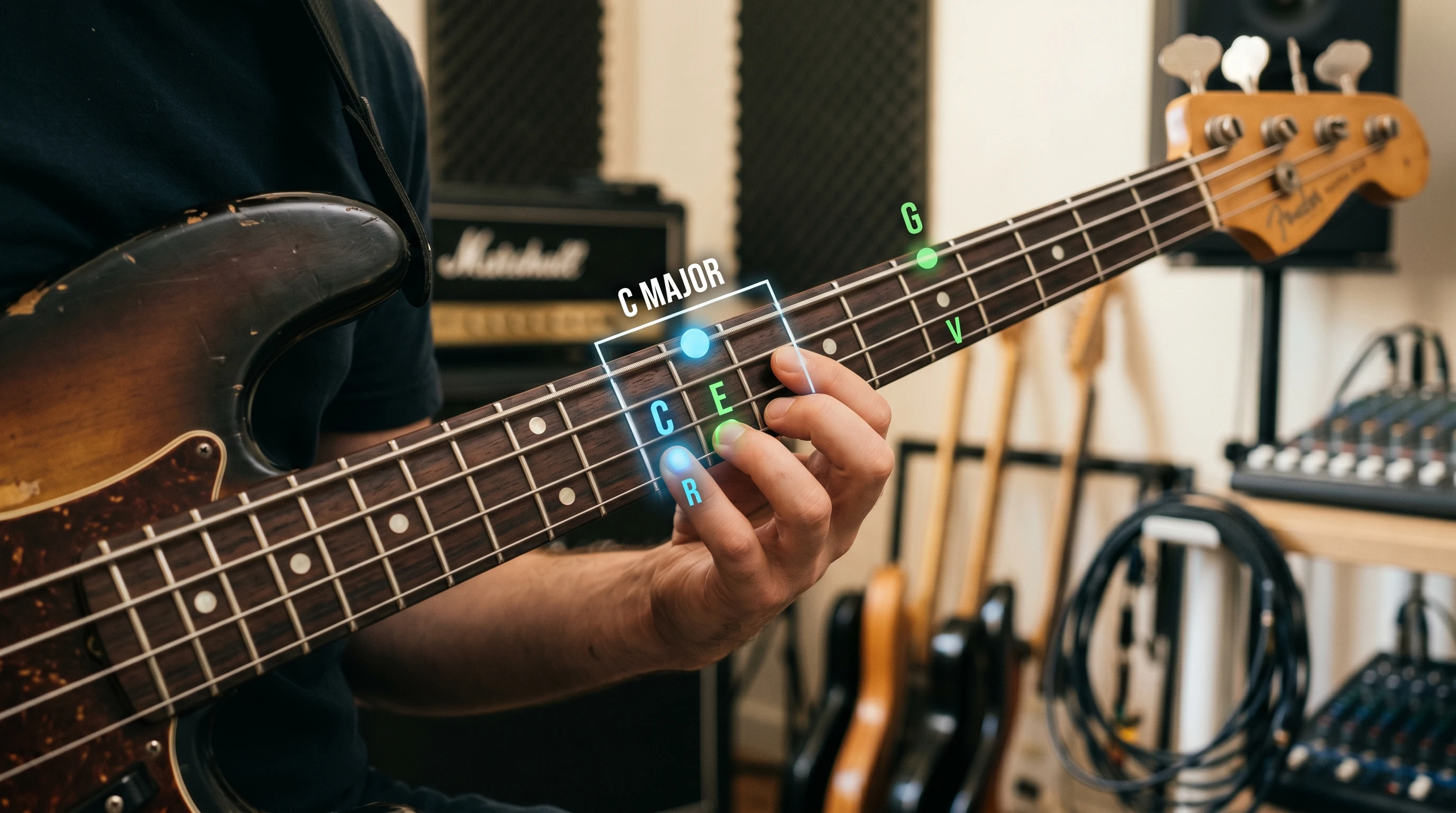
Popular Simple Bass Chord Progressions
Getting the hang of a few common progressions gives you a starter toolkit you can use in all sorts of genres, from blues and rock to pop and country. You’ll find that these patterns pop up everywhere, and once you know them, you can jam along with tons of songs or even write your own. Here are a few progressions worth practicing:
- E-D-C Progression: One of those instantly recognizable moves in rock and some indie tracks. On bass, you’re mostly following the roots of these chords, but you can play around with octaves or slides for a more interesting sound.
- I-IV-V Progression (C-F-G in C major): Classic and used in almost every genre. On bass, walking through C, F, and G gives you a super strong foundation for jamming or backing up a band.
- A-D-E Progression: Big in rock, country, and blues. It’s a straightforward set of major chords that’s perfect for practicing because of its clarity and how those notes ring together.
- G-C-D Progression: Another journeyman progression that fits into folk, pop, and early rock tunes. Once you’re comfortable with the basics, you can branch out and try shuffle rhythms or add fifths for more punch.
Playing these progressions on bass teaches you how different chords interact and where they usually fit in a song. That’s super useful when you want to jam, write, or improvise.
How Bass Chord Progressions Work
If you want to understand what’s actually going on behind the scenes, it’s helpful to know a couple of key terms:
- Root Note: The main note the chord is built on. For a C major chord, that’s the C. On bass, you’ll usually play this as your starting point for each chord in a progression.
- Chord Quality: Major, minor, and sometimes seventh (like G7) show how chords feel—happy, sad, bluesy, etc.
- Scale Degree (Roman numerals): When people say I-IV-V, that’s just shorthand for the first, fourth, and fifth chords in a scale. This makes it easy to play the same pattern in any key.
Most of the time, you’ll find yourself working with root notes and maybe a fifth or octave. If you want to spice things up, add the third or seventh of the chord, but just sticking to roots works great, too, especially when starting out.
To get even better, pay attention to how progressions resolve. For example, going from the V (fifth) back to the I (root) creates a strong sense of completion in a song. Once you tune your ear to the movement between chords, you’ll find it easier to play along with new tunes and even add your own flavors.
Practice Tips for Smooth Bass Chord Progressions
Building up your bass chord progression chops takes some regular practice, but it doesn’t have to feel like a chore. Here are a few things I’ve picked up that make practice sessions more productive and even kind of fun:
- Go Slow at First: Speed isn’t as important as playing clearly. Nail the changes slowly so you don’t get sloppy, then gradually get quicker as you get smoother.
- Use a Metronome: Timing matters for bass more than pretty much any other instrument. A metronome helps keep your rhythm on track.
- Change Up the Rhythm: Once the changes come easy, try different rhythms. Maybe a shuffle feel, or syncopate your notes. This makes the same progression sound fresh and keeps things interesting.
- Try Different Fingerings: Don’t feel locked into one position on the fretboard. Slide up or down to see what’s comfortable and track down new sounds.
Recording yourself as you practice can also help you hear where things get messy or where something sounds cool that you might want to do again. Over time, these little details really pay off. If you make a habit of listening back to your recordings, you’ll spot improvements and areas to focus on next session.

Useful Resources for Learning More
If you prefer to have some extra guidance or want to switch up your practice routine, these resources are pretty handy:
- Bass Chord Charts: These are easy to find online and show you exactly where to put your fingers. They’re especially great for visual learners and quick reference.
- Online Video Lessons: YouTube and other lesson sites have tons of tutorials breaking down different progressions, often with backing tracks you can play along to.
- Backing Tracks and Apps: Loopers or free backing track sites let you play along with actual chord progressions so you can practice locking into the groove. Some apps can even slow things down or loop tough spots.
- Songbooks: Grab a book of easy bass songs in your preferred genre. These usually highlight the most common progressions, so you’ll be practicing real world examples as you go.
You might also check out music theory forums or communities—people often share personal tips, favorite progressions, and advice for learning bass online. Joining these digital spaces can make the ride more social and keep you motivated.
Common Questions About Bass Chord Progressions
These are some things people usually ask when getting into chord progressions on bass:
How do I know which chord progression to use in a song?
Listen for the “movement” or flow of the main chords in any song you like. A lot of pop or rock supports the vocal melody with I-IV-V or similar progressions. Picking out the root notes by ear is a great skill, and following charts—or even tabs—helps you spot these patterns faster.
Can I play the actual chords on bass, or just the roots?
It depends on the song and your setup. Most of the time, you’re playing just the roots, or maybe adding fifths or octaves. Some funk and jazz call for full chords or double stops (playing two notes at once), but that’s up to you and your band’s style.
How do I make my bass progressions sound more interesting?
You can tweak your sound a few ways. Change up your rhythm, walk between chord tones, add slides or ghost notes, or throw in more of the thirds and sevenths. Even just varying where you play the same note on the neck can switch up the texture of the progression.
Pro Tips for Expanding Your Bass Progression Toolkit
Once you’ve got those popular patterns down, it’s pretty fun to mix things up. Here are a few tricks for adding new flavors to your progressions:
- Try Minor Chord Progressions: Instead of always sticking to major patterns, swap in a minor key like Am-Dm-E. It’s heard in tunes with a moody or mellow vibe, and it opens up more emotional tones.
- Walk the Bass Line: In blues and jazz especially, walking (connecting one chord to another with passing notes) adds energy and complexity to even the simplest I-IV-V pattern. It also improves your finger strength and musical ear.
- Use Pedal Points: Sometimes, you can hold a single bass note (or ‘pedal’ it) while the chords above change, creating tension and release. This technique gives a song an anchored feeling and keeps the groove tight.
- Experiment with Inversions: Play the root, then the third or fifth as your lowest note to mix up how a progression feels—all without changing the actual chords being played by the band. Inversions can freshen up a well known progression and make it sound unique.
As you build confidence, try writing your own progressions or jamming with friends. The more you experiment, the more you’ll figure out what grooves you like and what fits your style. Don’t be afraid to take risks—sometimes a quirky progression is what makes your playing memorable.
Good to Think About Before Digging Deeper
There are a few things worth considering while you’re picking up these progressions:
- Instrument Setup: Lower action and fresh strings can make complex moves and slides easier. If you haven’t set up your bass lately, getting it checked can make practicing progressions way more enjoyable.
- Genre: Some progressions are more common in certain genres. For example, the “12 bar blues” is a staple in blues, or I-V-vi-IV shows up all over pop. Knowing where progressions fit helps you slot into any jam session or cover band more smoothly.
- Listening: Actively listening to how bass is used in classic songs from different genres is a great way to learn. Copy what you like, then try tweaking small pieces to make it yours. Try listening with headphones to pick up on subtle technique details.
You might also join online communities or attend local jam sessions to get feedback and spark new ideas. Watching others play gives you inspiration and helps you spot techniques you might want to add to your own toolkit.
All in all, learning a few simple bass chord progressions is one of those skills that pays off over and over again. You’ll take your sense of timing up a notch, add groove to your playing, and be able to jump into more jams. With a solid grasp of the basics and a willingness to jump into new challenges, you’ll keep leveling up your bass playing in no time. For me bass chords clicked when I started playing guitar. I learned chords there so naturally wanted to do it on the bass.